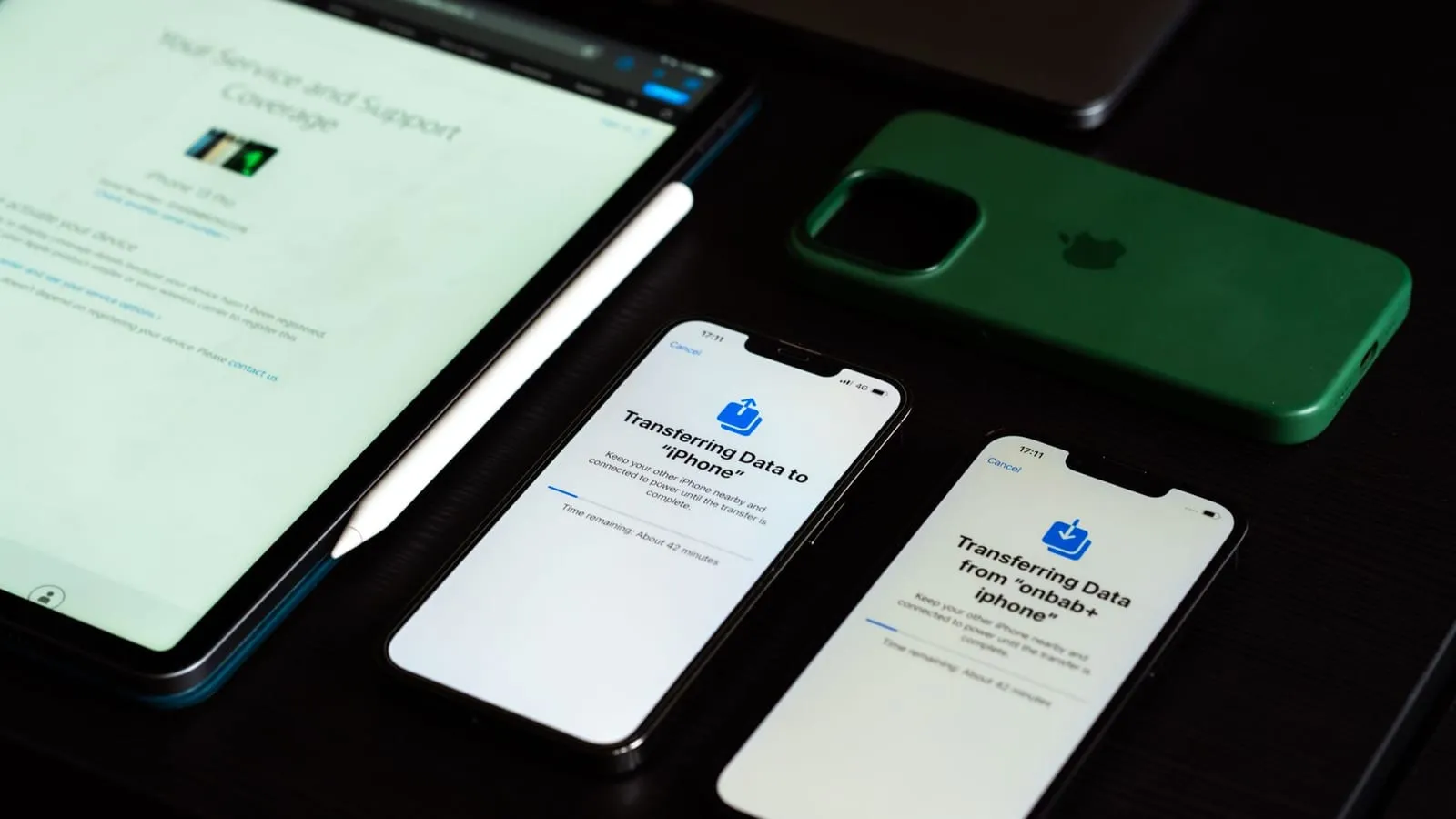
How to Free Up Storage on iPhone
Running out of space on your iPhone? Learn how to free up storage by managing photos, offloading apps, clearing caches, and optimizing settings.

The short answer
To free up storage on your iPhone, you can optimize photos and videos, offload rarely used apps, and clear cached data. Managing both device and iCloud storage helps keep your iPhone running smoothly.
Key takeaways
- Most iPhone storage issues come from cached data and ghost files, not just photos or apps.
- Optimizing photos and videos moves full-resolution files to iCloud, keeping smaller versions on your device.
- Offloading apps removes them from your device but saves their data in iCloud for easy reinstallation.
- Upgrading iCloud storage can be a convenient way to manage space without buying a new phone.
- Regularly clearing app caches and restarting your iPhone can help reduce System Data.
Running out of space on your iPhone can be frustrating, leading to performance issues and preventing you from downloading new apps or taking more photos. Learning how to free up storage on iPhone involves understanding the difference between device and iCloud storage, and then applying several strategies to optimize your space. Most storage problems aren’t just about too many photos or apps; cached data and temporary files often take up significant room. By managing these elements, you can efficiently reclaim valuable storage on your device.
Understanding iPhone Storage: Device vs. iCloud
Your Apple device uses two main types of storage: device storage and iCloud storage.
Device storage is the storage located directly on your iPhone or iPad. This is where all your music, apps, photos, and other content are stored. Your device comes with a set amount of this storage, and you cannot increase it later. If your device storage is full, you might get an alert, and you will need to optimize and manage space.
iCloud storage keeps your photos, files, notes, and other data securely online and updated across all your devices linked to the same Apple Account. You can enable iCloud features to use iCloud storage, which helps optimize device storage and allows access to content on any device. For example, iCloud storage can back up your device properly and keep photos and videos in iCloud Photos, ensuring they are current across your devices. If your iCloud storage is full, you might receive an alert, and iCloud features may not update until you manage or purchase more storage.
Checking Your Storage Usage
You can find out what’s using up space on your iPhone by checking both your device’s internal storage and your iCloud storage. This helps you decide what to remove or move to free up phone storage.
Here’s how to check your storage:
- Check your iPhone’s device storage:
- On your iPhone or iPad, open Settings.
- Tap General.
- Tap iPhone Storage (or iPad Storage if you’re on an iPad).
- This screen shows a breakdown of how much space apps, photos, messages, and system data are taking up on your device. For example, you might see that your Photos app is using a large amount of space, indicating that many pictures and videos are stored directly on your phone.
- Check your iCloud storage:
- On your iPhone or iPad, open Settings.
- Tap your name at the top of the screen.
- Tap iCloud.
- Then, tap Storage or Manage Storage to see details about what’s stored in your iCloud account.
- This view will show you how much of your iCloud storage is used by backups, photos, documents, and other data. You might find that old device backups are consuming a large portion of your available iCloud space.
Optimize Photos and Videos
Your iPhone saves photos and videos in full resolution by default, which can take up a lot of space. For example, a minute of 4K video recorded at 60 frames per second uses about 400MB of storage. If you want to speed up a video on iPhone, it might also take up less space.
To reduce the space your media uses, you can optimize your photos and videos. Go to Settings > Photos on your iPhone and turn on “Optimize iPhone Storage”. You must have iCloud Photos enabled for this option to work.
When you turn on “Optimize iPhone Storage,” your iPhone moves full-resolution photos and videos to iCloud. It keeps smaller, lower-resolution versions on your device instead. You can still download the higher-resolution versions from iCloud if you need them, but you will need an internet connection. iCloud Photos lets you store as many photos and videos as you want, as long as you have enough iCloud storage space.
You can also transfer photos and videos you do not want in iCloud to your computer to free up device storage. To do this, connect your iPhone to your computer. On a Mac, you can use the Photos app or Image Capture. On a Windows PC, you can use the Photos app or browse your device’s files in File Explorer. Another way to save space is by merging duplicate photos and videos on your device.
Manage Apps and Data
You can free up significant space by managing the apps on your iPhone. This involves either offloading apps or deleting them entirely.
Offloading an app removes it from your device but keeps its documents, data, and login information stored safely in iCloud. If you reinstall an offloaded app later, all its data will return as it was before. This is useful for apps you use infrequently but want to keep the data for. For example, you might offload a large game you only play occasionally. To do this on an iPhone, go to Settings > General > iPhone Storage, then select an app that is large and not often used, and choose “Offload App”.
Deleting an app is a more permanent step. This action removes both the app and all its associated data from your device. Deleting an app frees up more storage space than offloading. You might choose to delete apps you no longer use at all, like a travel app from a past holiday.
Clear Cached Data and System Files
Most storage problems on an iPhone come from cached data and temporary system files, not always from your photos or apps. Things like message attachments, streaming data, and duplicate system files build up over time. You can often clear these without deleting your personal content.
Cached data and temporary files are a large part of what your iPhone labels as “System Data”. This data can change in size often. You might be able to reduce it by closing apps you are not using and restarting your phone.
There is no single button in iOS to clear all cached data. You also cannot manually clear the “System Data” category. However, clearing caches can improve your phone’s performance and free up space.
Some apps have their own settings to clear their caches. For example, apps like Safari, Chrome, and Snapchat offer options within their settings to do this. Clearing these app-specific caches can help reduce the amount of space used by temporary files.
Consider Upgrading iCloud Storage
If you need more storage but do not want to buy a new phone, upgrading your iCloud storage can be a good option. When you first sign up for iCloud, you get 5GB of free storage.
You can increase your iCloud storage for a monthly fee. For example, in the US, you can get 50GB for $1 a month, 200GB for $3 a month, or 2TB for $10 a month. To upgrade on an iPhone, go to Settings > (your name) > iCloud > Manage Account Storage > Buy More Storage.
Upgrading to any paid iCloud plan also gives you access to iCloud+. This includes features like iCloud Private Relay and Hide My Email. iCloud Private Relay masks your IP address, similar to a VPN, but it only works with Safari on iOS 15 or later. Hide My Email helps protect your privacy by creating unique, random email addresses that forward to your main inbox.
Other Tips to Reclaim Space
You can use built-in iPhone features and other tools to find and remove data you no longer need.
Apple’s “Recommended for You” feature, available on iPhones and iPads with iOS 17 or iPadOS 17 and later, suggests items for deletion. These suggestions can include photos, large files, or backups. You can review these recommendations to decide what to remove.
There are also third-party apps designed to help manage your storage. These apps can identify and delete similar or duplicate photos, screenshots, Live Photos, and burst photos. Some apps also offer contact organization features, such as merging contacts, backing them up, or removing duplicates. Other types of apps claim to analyze your device to remove junk files and clear the cache, which could increase available memory. When considering third-party apps, always exercise caution and research their reputation and privacy policies. If your phone is still slow, you might want to read about why your phone is so slow.
Using these tools can help you maintain your iPhone’s performance by freeing up space.
Frequently asked questions
What is the difference between iCloud storage and device storage?
Device storage is the physical storage on your iPhone, while iCloud storage keeps your photos, files, and other data securely online and updated across your Apple devices. You can use iCloud features to optimize device storage.
How can I check my iPhone's storage usage?
To check device storage, go to Settings, then General, and tap iPhone Storage. For iCloud storage, go to Settings, tap your name, then iCloud, and then Storage or Manage Storage.
Does optimizing photos free up space on my iPhone?
Yes, enabling "Optimize iPhone Storage" in Settings > Photos moves full-resolution photos and videos to iCloud, keeping smaller, lower-resolution versions on your device to save space. This requires iCloud Photos to be turned on.
What happens when I offload an app?
Offloading an app removes it from your device but keeps its documents, data, and logins safe in iCloud. If you reinstall the app, all its data returns as it was, making it a good way to temporarily free up space without losing information.
Can I manually clear 'System Data' on my iPhone?
No, there is no manual way to clear System Data, which consists mostly of caches and temporary files managed by iOS. However, closing unused apps and restarting your phone can sometimes reduce its size.
Sources
Facts in this article were checked against these sources. Spotted an error? Report a correction.
- 1Phone Storage Cleaner: Free up App - App Storeapps.apple.com
- 2
- 3
- 4Manage your photo and video storage - Apple Supportsupport.apple.com
- 5
- 6Apple ICloud Features, Setup and Benefits Explained - Business Insiderbusinessinsider.com